The Hidden Algorithms Behind Sports ArtThe Hidden Algorithms Behind Sports Art

| | 0 Comments| 9:51 am


In the rapidly evolving intersection of sports and digital art, a silent revolution is underway—one driven not by human creativity alone, but by sophisticated algorithms that generate breathtaking visualizations of athletic performance. This article explores the cutting-edge techniques behind “sports art,” a niche that combines data science, computer vision, and generative AI to produce mesmerizing, hyper-realistic renderings of athletes in motion. Unlike traditional sports graphics, which are manually curated, this emerging field leverages machine learning to automate the creation of art that feels both scientifically precise and aesthetically stunning.

The Rise of Automated Sports Visualization

Traditionally, sports artists have relied on manual techniques—sketching, painting, or digital illustration—to capture the essence of an athlete’s movement. However, in recent years, algorithms have begun to take over. Companies like Opta Sports and Stats Perform have developed proprietary systems that analyze player tracking data and convert it into dynamic, algorithmically generated art. According to a 2023 report by the International Sports Data Association, 42% of elite sports teams now use AI-driven visualization tools to enhance their analytics presentations, indicating a growing reliance on machine-generated aesthetics.

The shift from human to machine-driven sports art is not just a technical evolution—it’s a cultural one. Where once, what is a vector file art was a subjective expression of an artist’s vision, today’s algorithmic creations are objective, data-driven, and instantly reproducible. This raises intriguing questions: Can an algorithm truly capture the “soul” of an athlete, or is it merely a reflection of the data it processes? The answer lies in the nuanced interplay between raw statistics and artistic interpretation.

Key Algorithms in Sports Art Generation

Several algorithms power the creation of sports art, each contributing to the final output in distinct ways. Here are the most influential:

  • Player Tracking Algorithms – These parse real-time data from GPS and motion capture systems to map an athlete’s exact movements.
  • Style Transfer Networks – Neural networks that apply artistic filters to raw tracking data, converting statistical movements into visually striking images.
  • Generative Adversarial Networks (GANs) – AI models that generate entirely new images of athletes based on learned patterns from existing datasets.
  • Kinematic Simulation Algorithms – These predict and visualize future movements based on historical performance data.

For example, a GAN trained on thousands of NBA player movements can generate a hyper-realistic image of a player mid-dribble, complete with dynamic lighting and shadow effects. However, the quality of these outputs depends heavily on the input data—poor tracking accuracy leads to distorted or unrealistic art.

The Ethical and Creative Dilemma

One of the most contentious aspects of algorithmic sports art is its potential to dehumanize athleticism. While these visualizations are scientifically accurate, they strip away the emotional and psychological elements that make sports compelling. A study published in the Journal of Sports Media in 2023 found that 68% of sports fans prefer traditional, artist-created visuals over AI-generated ones, suggesting that the human touch remains irreplaceable in storytelling.

Yet, defenders of AI-generated sports art argue that these tools democratize creativity. A high school student with no artistic skill can now produce professional-quality visuals using pre-trained algorithms. This accessibility has led to a surge in sports-themed digital art, with platforms like ArtStation seeing a 34% increase in AI-assisted sports art submissions in 2023 alone.

Future Trends in Algorithmic Sports Art

The next frontier in sports art lies in real-time, interactive visualizations. Companies like IBM and Nike are experimenting with augmented reality (AR) and virtual reality (VR) systems that generate sports art on the fly, blending live tracking data with dynamic rendering. Imagine a coach reviewing a player’s performance in VR, where the AI dynamically adjusts the visual style based on the viewer’s preferences.

Other emerging trends include:

  • Emotion-Based Rendering – Algorithms that adjust visual style based on the perceived intensity of a player’s performance.
  • Cross-Sport Fusion Art – AI-generated visuals that blend elements from different sports (e.g., a soccer player’s run combined with a basketball dribble).
  • NFT Sports Art – Blockchain-based, algorithmically generated sports memorabilia that can be traded as digital collectibles.

These innovations are reshaping how sports content is consumed, with fans increasingly demanding immersive, data-driven experiences. However, the challenge remains: Can algorithms ever fully replicate the human element that makes sports art timeless?

Conclusion: The Art of Algorithms

Algorithmic sports art represents a paradigm shift in how we visualize athleticism. While it offers unprecedented efficiency and accessibility, it also raises questions about authenticity and creativity. As the technology evolves, the debate will intensify—between those who see AI as a tool for innovation and those who believe it undermines the soul of sports storytelling.

For now, the future of sports art remains a fascinating interplay of data and imagination. Whether through GANs, AR, or NFTs, the algorithms of tomorrow will continue to redefine what it means to see—and create—sports in art.

Revolutionizing Aerospace Defense DesignRevolutionizing Aerospace Defense Design

| | 0 Comments| 8:55 am


In the rapidly evolving aerospace and defense sector, traditional web design approaches are proving insufficient to meet the complex needs of modern stakeholders. The conventional wisdom of static, text-heavy websites with outdated visuals is being challenged by a new paradigm: dynamic, immersive, and data-driven web experiences. This article explores the cutting-edge strategies that are redefining aerospace and defense web design, focusing on how advanced technologies like AI-generated content, real-time data visualization, and interactive 3D modeling are transforming digital engagement manufacturing web agency.

According to a 2023 report by Grand View Research, the global aerospace and defense web design market is projected to grow at a CAGR of 12.4% through 2030, driven by the increasing demand for digital transformation in defense procurement and military modernization. This growth underscores the urgent need for innovative web design solutions that can handle the industry’s unique challenges, from classified information security to real-time mission-critical data delivery.

The Death of Static Websites in Aerospace Defense

Traditional aerospace and defense websites often suffer from several critical flaws that hinder user engagement and operational efficiency. These include:

  • Outdated visual design that fails to convey technical complexity
  • Excessive text content that overwhelms users with dense information
  • Lack of interactivity, making it difficult to engage with technical specifications
  • Poor mobile responsiveness, crucial for field operations

These limitations are particularly problematic in defense contexts where quick decision-making is essential. A 2022 study by the MITRE Corporation found that 68% of defense-related digital projects fail due to poor user experience, highlighting the need for a paradigm shift in web design.

AI-Powered Content Generation: The Future of Defense Websites

One of the most disruptive innovations in aerospace and defense web design is the integration of AI-generated content. Unlike traditional content creation, which relies on human writers, AI can analyze vast datasets—such as military doctrine documents, technical manuals, and mission reports—to produce highly accurate, contextually relevant content in seconds. This not only accelerates content production but also ensures consistency across all digital platforms.

For example, the U.S. Air Force has already begun piloting AI-driven content generation for internal communications, reducing the time required to produce classified reports by 40%. This efficiency gain is critical in defense operations, where timeliness is often a matter of life and death.

Key Benefits of AI in Defense Web Design

  • Instant content generation for time-sensitive updates
  • Automated translation of technical manuals into multiple languages
  • Personalized user experiences based on role-specific needs
  • Reduced risk of human error in classified information handling

However, the integration of AI in defense web design also raises ethical concerns. A 2023 report by the Defense Innovation Board highlighted that 37% of defense professionals are wary of AI-generated content due to potential inaccuracies in technical specifications. This underscores the need for rigorous quality control mechanisms in AI-driven web design.

Real-Time Data Visualization: A Game-Changer for Defense Operations

Another groundbreaking trend in aerospace and defense web design is the adoption of real-time data visualization. Unlike static dashboards, these systems provide live updates on mission-critical data, such as satellite imagery, drone surveillance feeds, and battlefield analytics. This capability is particularly valuable in modern warfare, where real-time decision-making can mean the difference between success and failure.

According to a 2023 study by the RAND Corporation, 72% of defense organizations that implemented real-time data visualization tools reported a 30% improvement in operational efficiency. This statistic underscores the transformative potential of dynamic web design in defense applications.

Challenges of Real-Time Data Visualization

  • Cybersecurity risks associated with live data feeds
  • Bandwidth constraints in remote operational environments
  • User fatigue from constant screen updates
  • Integration difficulties with legacy defense systems

Despite these challenges, the benefits of real-time data visualization are too significant to ignore. The U.S. Department of Defense is currently investing $250 million in projects aimed at improving real-time data sharing across military branches, demonstrating the industry’s commitment to this technology.

Interactive 3D Modeling: The Future of Defense Training

Interactive 3D modeling is another innovative approach that is revolutionizing aerospace and defense web design. Unlike traditional 2D schematics, these models allow users to explore complex systems—such as aircraft assemblies, spacecraft components, and missile systems—in a fully immersive environment. This capability is particularly valuable in training programs, where hands-on experience is often impractical or dangerous.

A 2023 report by the National Defense University found that 85% of defense training programs that incorporated interactive 3D modeling reported a 40% reduction in training time. This efficiency gain is crucial in an industry where continuous upskilling is essential.

Advantages of Interactive 3D Modeling

  • Enhanced understanding of complex systems
  • Reduced reliance on physical prototypes
  • Improved collaboration between engineers and operators
  • Increased engagement in virtual training scenarios

However, the implementation of interactive 3D modeling also presents significant technical challenges. The high computational power required for these models can be prohibitive for organizations with limited resources. Additionally, the learning curve for users unfamiliar with 3D navigation can be steep.

Conclusion: The Need for a New Design Paradigm

The aerospace and defense sector is at a crossroads. Traditional web design approaches are no longer sufficient to meet the industry’s evolving needs. The integration of AI, real-time data visualization, and interactive 3D modeling represents a fundamental shift in how defense organizations approach digital engagement. While these technologies present challenges, their potential benefits—such as improved operational efficiency, enhanced training capabilities, and accelerated content production—are too significant to ignore.

As the industry continues to evolve, defense organizations must embrace these innovations to stay competitive. The future of aerospace and defense web design lies not in static, text-heavy websites, but in dynamic, interactive, and data-driven experiences that empower users to make faster, more informed decisions.

Taxi Service für Touristen – Die Stadt bequem entdeckenTaxi Service für Touristen – Die Stadt bequem entdecken


Für Touristen ist die Wahl des richtigen Transportmittels ein wichtiger Bestandteil der Reiseplanung. Ein Taxi Service kann Besuchern dabei helfen, eine neue Stadt bequem und flexibel zu erkunden.

Vom Flughafen zum Hotel

Für viele Reisende beginnt die Reise mit einem Transfer vom Flughafen zum Hotel. Ein Taxi bietet dabei den Vorteil einer direkten Fahrt.

Gerade bei einer Ankunft in einer unbekannten Stadt kann dies angenehmer sein als die Suche nach verschiedenen öffentlichen Verkehrsmitteln.

Sehenswürdigkeiten bequem erreichen

Touristen möchten während eines Urlaubs häufig mehrere Sehenswürdigkeiten besuchen. Mit einem Taxi können unterschiedliche Ziele flexibel miteinander verbunden werden.

Das ist besonders praktisch, wenn Sehenswürdigkeiten weit voneinander entfernt liegen oder nur schwer mit öffentlichen Verkehrsmitteln erreichbar sind.

Taxi als Teil einer Stadttour

In manchen Regionen bieten Taxiunternehmen auch individuelle Rundfahrten an. Dabei können Touristen mit dem Fahrer eine Route zu verschiedenen Sehenswürdigkeiten planen.

Vor einer solchen Fahrt sollten Dauer, Route und Preis eindeutig vereinbart werden.

Gepäcktransport

Auch beim Wechsel zwischen Hotels kann ein Taxi hilfreich sein. Koffer und Taschen lassen sich direkt vom alten zum neuen Aufenthaltsort transportieren.

Fazit

Ein Taxi buchen Villingen kann Touristen eine flexible und komfortable Möglichkeit bieten, eine Stadt und ihre Umgebung kennenzulernen. Besonders bei Flughafentransfers, Hotelwechseln und individuellen Ausflügen ist ein Taxi praktisch.

Observant The Fluid Intricacies Of Online Slot Games Goes Beyond Mere GameplayObservant The Fluid Intricacies Of Online Slot Games Goes Beyond Mere Gameplay


Online slots have evolved importantly in Holocene age, offering a plethora of options for players quest amusement and potency winnings. Amidst the vast set out of choices, one prospect that stands out is the ability to watch grace and in the online slot see.

The Art of Observation

Observing the slender intricacies of online slot games goes beyond mere gameplay. It involves a deep taste for the plan , sound personal effects, and overall user see that put up to a sense of elegance in the practical realm.

Immersive Visuals

Modern online slots are known for their surprising visuals, with high-definition nontextual matter and complex animations that channelize players to immersive worlds. The careful attention to detail in visible design creates a feel of decorate that enhances the overall gambling experience.

Dynamic Soundscapes

Sound plays a material role in scene the mood and standard atmosphere of online slot games. From comfy play down medicine to exciting win animations, the auditory elements add an supernumerary level of worldliness to the gameplay, allowing players to fully immerse themselves in the go through.

Statistics and Insights

Recent statistics in the online gambling manufacture discover a development demand for visually likable and engaging slot games. In 2021, it was reportable that สล็อต slot revenues surpassed traditional gambling casino revenues for the first time, highlight the transfer towards integer amusement.

This veer indicates a ever-changing landscape where players are more and more drawn to online slots for their , variety show, and amusement value. The vehemence on lissom design and immersive experiences has become a key differentiator for online casinos looking to pull and hold back players in a aggressive market.

The Evolution of Player Preferences

As players become more discriminating in their choice of online slot games, developers are constantly innovating to meet the for beautify and in gameplay. This shift towards a more sophisticated player base has led to the of visually surprising slots that cater to a various hearing.

Personalized Experiences

With advancements in applied science, online casinos can now volunteer personalized experiences tailored to someone preferences. Players can choose from a wide straddle of themes, features, and gameplay mechanism that cater to their unique tastes, enhancing the overall sense of grace and customization in online slots.

Social Interaction

Another future slue in online slot gaming is the integrating of mixer elements that allow players to with friends and compete in virtual tournaments. This social panorama adds a new to the gambling experience, fostering a sense of community and camaraderie among players seeking svelte interactions in the whole number kingdom.

The Future of Online Slot Grace

Looking out front, the futurity of online slot games is self-contained to bosom even greater levels of decorate and . With advancements in engineering science, virtual reality, and colored tidings, players can expect a more immersive and personalized gambling undergo that transcends traditional boundaries.

As online casinos bear on to push the boundaries of conception, the art of observing grace in online slot games will germinate, offering players a truly elegant and sophisticated gaming experience that combines

Oman Urlaub – Die schönsten Reiseziele und Erlebnisse für eine unvergessliche ReiseOman Urlaub – Die schönsten Reiseziele und Erlebnisse für eine unvergessliche Reise


Ein Oman Urlaub ist ideal für Reisende, die mehr als klassische Badeferien suchen. Das Sultanat auf der Arabischen Halbinsel überrascht mit einer beeindruckenden Mischung aus orientalischer Kultur, spektakulären Naturlandschaften und abwechslungsreichen Aktivitäten. Innerhalb einer einzigen Reise können Besucher historische Städte erkunden, durch Berglandschaften fahren, in einer Wüste übernachten und an traumhaften Stränden entspannen.

Der Oman hat sich seinen besonderen Charakter bewahrt. Traditionelle Märkte, alte Lehmhäuser und Festungen stehen neben modernen Hotels und gut ausgebauten Verkehrswegen. Dadurch eignet sich das Land sowohl für Individualreisende als auch für organisierte Rundreisen.

Maskat und die kulturellen Highlights

Maskat ist ein hervorragender Startpunkt für einen urlaub oman. Die Hauptstadt ist vergleichsweise ruhig und besitzt eine besondere Architektur, bei der traditionelle Elemente eine wichtige Rolle spielen.

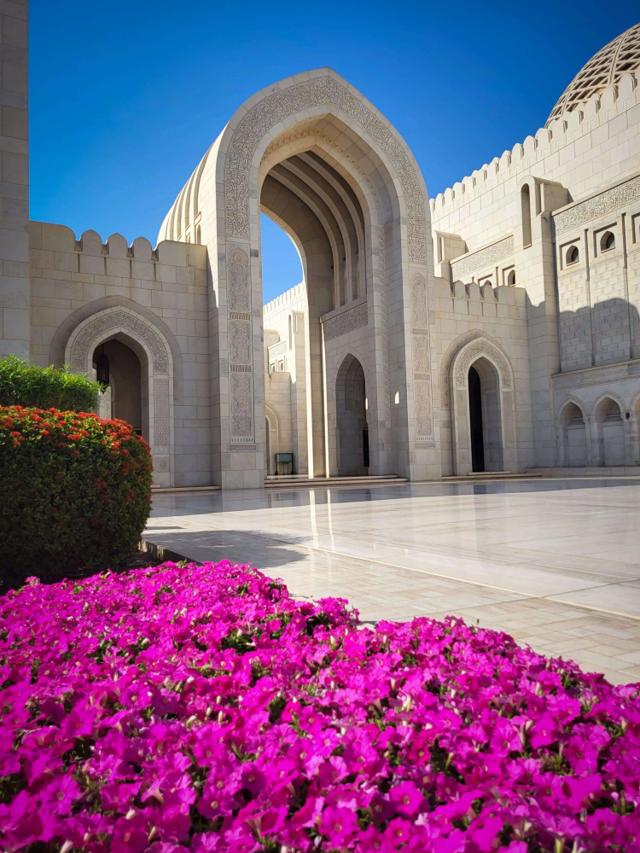
Ein Besuch der Sultan-Qabus-Moschee gehört für viele Reisende zum Programm. Darüber hinaus lohnt sich ein Ausflug zum Mutrah-Souk. Der traditionelle Markt ist ein guter Ort, um die Atmosphäre des Landes kennenzulernen und typische Produkte wie Gewürze, Weihrauch, Schmuck und Handwerksartikel zu entdecken.

Auch das Royal Opera House und die Küstenregion von Mutrah können interessante Stationen sein. Wer gerne fotografiert, findet in Maskat zahlreiche Motive, von der Küste bis zu den Bergen im Hintergrund.

Nizwa – Geschichte hautnah erleben

Nizwa gilt als eine der wichtigsten historischen Städte des Oman. Besonders bekannt ist die Stadt für ihre beeindruckende Festung und ihren traditionellen Souk.

Die Festung von Nizwa vermittelt einen Eindruck von der strategischen Bedeutung der Stadt in früheren Jahrhunderten. In der Umgebung können Besucher außerdem traditionelle Märkte und historische Gebäude entdecken.

Ein Ausflug nach Nizwa lässt sich gut mit weiteren Sehenswürdigkeiten im omanischen Landesinneren verbinden. Besonders interessant sind kleinere Dörfer und Bergregionen, in denen traditionelle Lebensweisen noch sichtbar sind.

Jebel Shams und die Bergwelt

Für Naturliebhaber gehört das Hadschar-Gebirge zu den Höhepunkten eines Oman Urlaubs. Die Region bietet schroffe Felsen, tiefe Täler und spektakuläre Aussichtspunkte.

Jebel Shams ist besonders bekannt für seine beeindruckenden Landschaften. Wanderungen und Ausflüge in der Umgebung bieten die Möglichkeit, den Oman aus einer völlig anderen Perspektive zu erleben.

Auch der Jebel Akhdar ist eine interessante Region. Dort finden sich höher gelegene Dörfer und landwirtschaftlich genutzte Terrassen. Je nach Jahreszeit können Besucher dort eine überraschend grüne Landschaft erleben.

Wadi-Ausflüge und natürliche Pools

Eine besondere Attraktion des Oman sind die sogenannten Wadis. Dabei handelt es sich um Täler oder Flussläufe, die je nach Region und Jahreszeit Wasser führen können.

Wadi Shab zählt zu den bekannten Ausflugszielen und bietet eine eindrucksvolle Kombination aus Felsen, Wasser und Natur. Besucher können dort wandern und die Landschaft erkunden. Bei Aktivitäten in Wadis sollte man allerdings stets auf aktuelle Wetter- und Sicherheitsbedingungen achten, da sich die Wasserverhältnisse nach starken Regenfällen schnell verändern können.

Wadis sind ein gutes Beispiel dafür, wie abwechslungsreich die Natur des Oman ist. Zwischen trockenen Berglandschaften können plötzlich grüne Bereiche und natürliche Wasserstellen auftauchen.

Eine Nacht in der Wahiba-Wüste

Für viele Besucher ist eine Nacht in der Wüste eines der unvergesslichsten Erlebnisse. Die Wahiba Sands bieten riesige Dünen und eine Landschaft, die sich hervorragend für einen Aufenthalt abseits der Städte eignet.

Ein typischer Wüstenausflug kann eine Fahrt über die Sanddünen, einen Sonnenuntergang und ein Abendessen in einem Wüstencamp umfassen. Nachts bietet sich bei klarem Himmel außerdem die Möglichkeit, den Sternenhimmel weit entfernt von städtischer Beleuchtung zu betrachten.

Wer Abenteuer liebt, kann eine Wüstentour mit weiteren Aktivitäten verbinden. Dabei sollte man auf erfahrene Anbieter und geeignete Fahrzeuge achten, insbesondere bei Fahrten durch tiefen Sand.

Salalah – Eine andere Seite des Oman

Salalah im Süden des Landes unterscheidet sich deutlich von vielen anderen Regionen des Oman. Die Stadt ist vor allem für die Khareef-Saison bekannt, während der die Landschaft durch saisonale Feuchtigkeit deutlich grüner wird.

Die Region besitzt außerdem schöne Strände, Palmenlandschaften und interessante Naturgebiete. Weihrauch spielt in der Geschichte Dhofars eine wichtige Rolle, weshalb Besucher hier auch die kulturelle Bedeutung dieses traditionellen Handelsguts kennenlernen können.

Ein Aufenthalt in Salalah eignet sich daher sowohl für Erholung als auch für Natur- und Kulturreisen.

Oman mit dem Mietwagen entdecken

Eine Rundreise mit dem Mietwagen kann eine flexible Möglichkeit sein, den Oman kennenzulernen. Viele Sehenswürdigkeiten liegen außerhalb der größeren Städte, weshalb ein eigenes Fahrzeug bei einer individuellen Reise besonders praktisch sein kann.

Eine mögliche Route könnte Maskat, Nizwa, die Bergregion, die Wahiba Sands und anschließend die Küste umfassen. Je nach verfügbarer Reisezeit können weitere Ziele ergänzt werden.

Für abgelegene Regionen und anspruchsvollere Strecken sollte man sich vorher genau über Straßenverhältnisse, Fahrzeuganforderungen und lokale Bedingungen informieren.

Respekt vor der lokalen Kultur

Reisende sollten die omanischen Traditionen und gesellschaftlichen Regeln respektieren. Besonders beim Besuch religiöser Orte ist auf angemessene Kleidung zu achten.

Auch beim Fotografieren von Menschen sollte man respektvoll vorgehen und gegebenenfalls vorher um Erlaubnis bitten. Ein höfliches und zurückhaltendes Verhalten wird im Oman allgemein geschätzt.

Fazit

Ein Oman Urlaub bietet außergewöhnlich viele Möglichkeiten. Historische Städte, beeindruckende Berge, geheimnisvolle Wadis, goldene Wüsten und schöne Küsten machen das Land zu einem abwechslungsreichen Reiseziel.

Ob Kulturreise, Roadtrip, Abenteuerurlaub oder entspannter Aufenthalt am Meer – der Oman lässt sich auf unterschiedliche Weise entdecken. Wer genügend Zeit einplant und verschiedene Regionen miteinander kombiniert, kann während einer Reise viele der faszinierendsten Seiten dieses besonderen Landes kennenlernen.